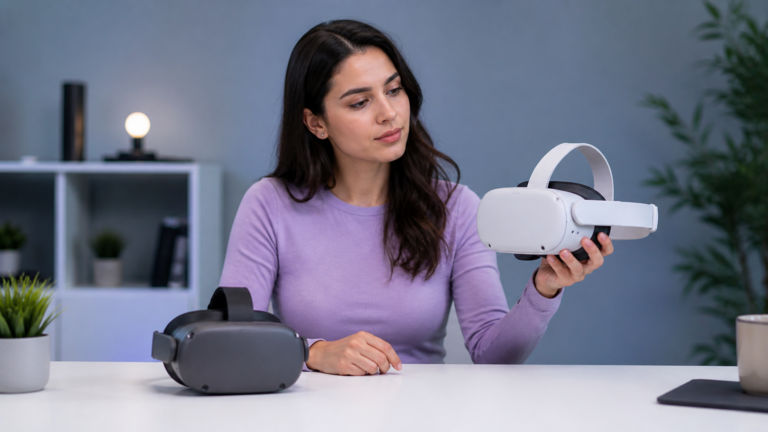
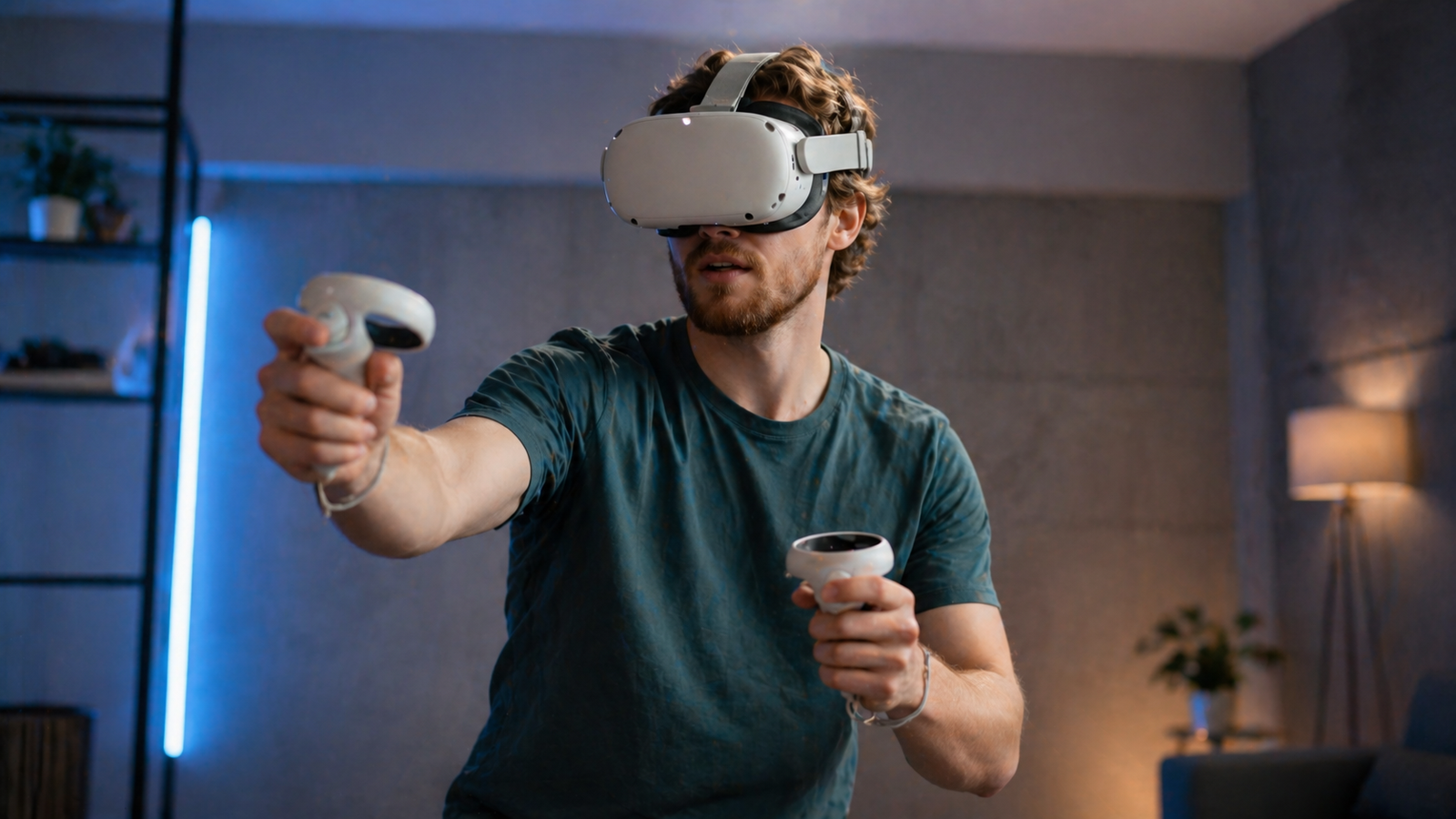
Best VR Headset for Beginners Easy Picks That Make Sense
The best VR headset for beginners is usually one that makes setup easy, feels comfortable to wear, and gives you a strong content library without requiring too much technical knowledge. For most new users, a well-supported standalone headset is the easiest place to start.
What is the best VR headset for beginners? The best VR headset for beginners is usually the one that combines simple setup, dependable comfort, strong beginner-friendly content, and clear value without pushing a first-time user into an overly complex system. In most cases, that means a straightforward standalone headset is the easiest and safest place to start.
Beginners do not just need impressive specifications. They need a headset that feels approachable, works reliably, and makes the first few sessions feel fun rather than confusing. A good first device lowers friction and builds confidence.
If you are still building the basics, it helps to first understand what virtual reality is, compare your options against the broader market in our VR headset guide, and review the best VR games for beginners so your first headset matches the kind of experiences you actually want to play.
For authoritative background, see Meta Quest 3 official page, PlayStation VR2 official page, and Apple Vision Pro official page.
What Matters Most in the Best VR Headset for Beginners?
A beginner headset should solve real first-user problems. Comfort matters because a heavy or awkward fit can shorten every session. Setup matters because a new user is far more likely to keep using VR if the first experience is smooth.
Content matters too. A headset with a strong library of beginner-friendly games, guided apps, fitness options, and simple experiences gives new users more ways to explore without feeling lost.
The best beginner headset is not automatically the most expensive one. It is the model that makes VR feel clear, comfortable, and easy to return to.
Standalone Headsets Usually Make the Most Sense
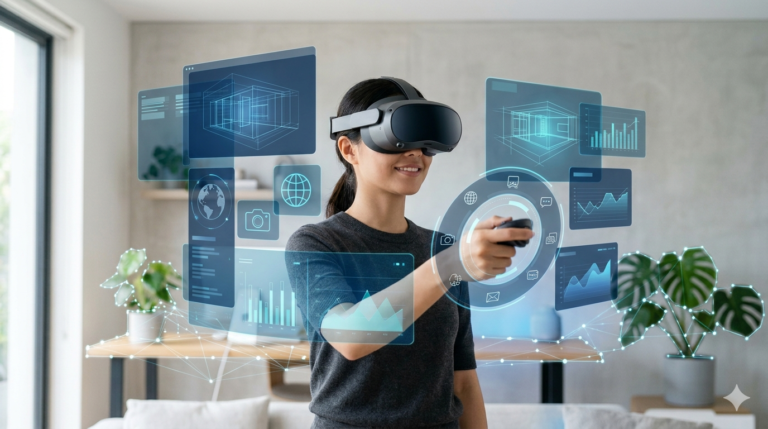
For most beginners, standalone VR headsets reduce setup effort and remove the need for a powerful gaming PC.
- Faster first-time setup
- Lower technical barrier
- Easier to use in different spaces
Easy Picks That Make Sense for First-Time Users
The best beginner picks are usually not defined by one single brand or price point. They are defined by balance. A good beginner headset should feel easy to wear, have reliable controllers, and offer enough software quality that you quickly understand why VR is useful or fun.
That is why many first-time buyers start with a mainstream standalone headset before moving into higher-end PC VR later. The simpler the path to your first good session, the better the chance that the purchase feels worthwhile.
Comfort Can Matter More Than Raw Power
Clear visuals are important, but weight balance, padding, lens adjustment, and strap design often determine whether a beginner enjoys the experience.
- Balanced weight reduces fatigue
- Better fit improves longer sessions
- Clear lens adjustment helps reduce frustration
How Do You Choose the Right First Headset?
Start by asking how you plan to use VR. If you mainly want easy entertainment, social experiences, or simple exercise apps, a standalone headset is often enough. If you expect advanced simulation or premium graphics, you may eventually want a PC-connected option, but that is not the best first step for everyone.
You should also consider who will use the headset. A shared household device benefits from quick setup, adjustable fit, and an intuitive interface. That matters more for beginners than enthusiast-level tuning options.
Haptics also deserve a quick look here. Even basic tactile response in controllers helps beginners understand successful actions because haptic feedback and tactile experience make immersion feel more immediate and easier to trust.
Controllers and Feedback Help Beginners Learn Faster
A headset becomes easier to learn when tracking is stable and controller input feels natural.
- Clear button layout reduces confusion
- Reliable tracking improves control
- Light touch feedback makes actions feel more real
Cost, Comfort, and Safety for New Users
Beginner buyers should think beyond headline price. A cheaper headset can become poor value if it feels uncomfortable or lacks the content you actually want. At the same time, spending too much too early can create buyer regret if you are still deciding how often you will use VR.
Comfort and safety also matter because first impressions shape long-term use. Short sessions, clear room space, and stable performance can reduce issues that make people stop using VR too early. If comfort is a concern, read more about VR motion sickness and prevention before buying.
| Buying Factor | Why It Matters for Beginners | What to Look For | What to Avoid |
|---|---|---|---|
| Comfort | New users notice weight and pressure quickly | Balanced fit, soft padding, easy adjustment | Heavy front-loaded designs that tire you fast |
| Setup | Simple setup lowers frustration and abandonment | Standalone or guided setup flow | Complex sensor placement and PC tuning |
| Content Library | Beginners need approachable apps and games | Strong mix of guided experiences and easy titles | A platform with little beginner-friendly content |
| Price | First-time buyers often want lower risk | Clear value and reasonable entry cost | Overpaying before knowing your long-term needs |
Beginner Mistakes to Avoid
One common mistake is buying based on hype instead of fit. Another is assuming that the most expensive headset is automatically the best choice. For a first device, ease of use and comfort usually matter more than chasing every premium feature at once.
It is also a mistake to ignore ecosystem quality. A headset is only as useful as the experiences it supports. That is why comparing devices with existing market guides and beginner explainers can save money and frustration.
How Beginners Should Choose a VR Headset
- Prioritize comfort and simple setup over advanced specifications.
- Choose a device with a strong beginner-friendly content library.
- Look for reliable controllers, good tracking, and clear value.
- Upgrade later once you know how deeply you want to use VR.
Frequently Asked Questions
What is the best VR headset for beginners?
For most beginners, the best VR headset is one that offers simple setup, strong comfort, dependable tracking, and a good library of beginner-friendly experiences.
Should beginners buy a standalone VR headset or a PC VR headset?
Most beginners are better off with a standalone headset because it is easier to set up and use, while PC VR makes more sense later if you want higher-end experiences.
How much should a beginner spend on a VR headset?
A beginner should usually spend enough to get a comfortable, reliable headset with solid content support, but not so much that the first purchase feels risky or excessive.
Can a beginner use VR without motion sickness?
Yes, many beginners can use VR comfortably by starting with short sessions, choosing comfort-friendly apps, and using well-designed headsets with smoother performance.
Do haptics matter in a beginner VR headset?
Yes, even basic haptic feedback helps beginners understand actions more clearly because tactile cues make controllers feel more responsive and immersive.
What should beginners avoid when buying a VR headset?
Beginners should avoid buying based only on hype, chasing complex high-end setups too early, or choosing a headset with weak comfort, poor software support, or unclear value.