Uses of Virtual Reality in Real Life That Actually Matter
The main uses of virtual reality in real life include training, healthcare, education, design, and immersive entertainment that goes beyond gaming hype.

Core VR concepts, immersive experiences, and virtual environment coverage.
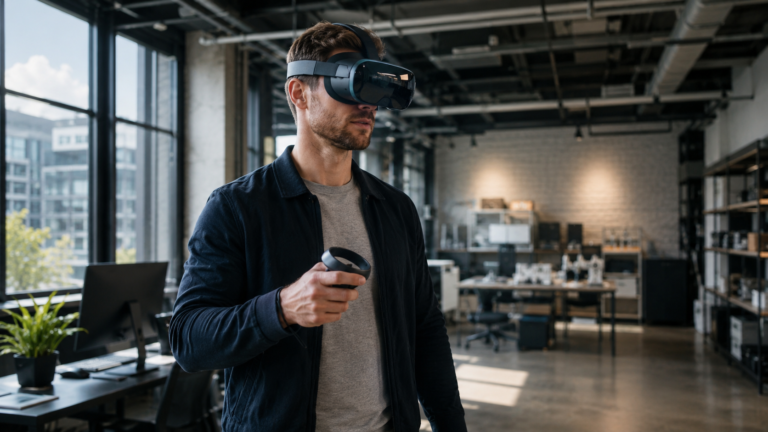
The main uses of virtual reality in real life include training, healthcare, education, design, and immersive entertainment that goes beyond gaming hype.
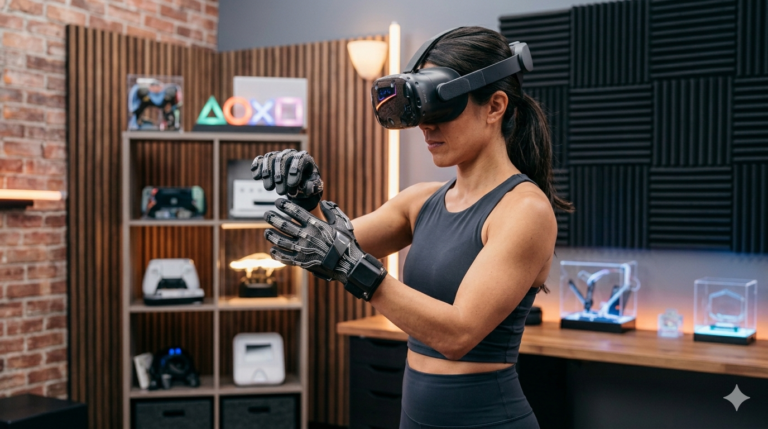
The best haptic gloves for VR focus on different goals, from realistic force feedback to practical training workflows and high-precision hand tracking.
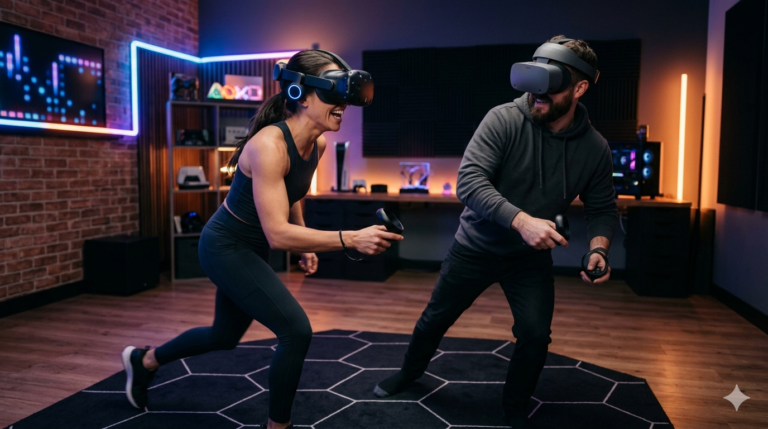
The best free VR games right now include social worlds, movement-driven favorites, and replayable multiplayer picks that cost nothing to start.
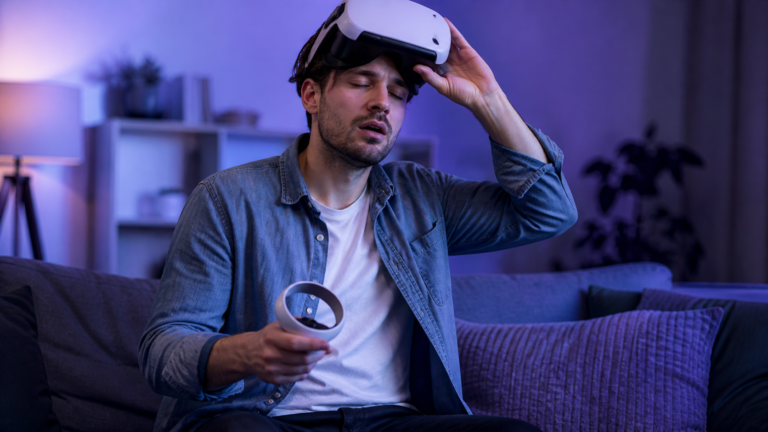
VR makes some people dizzy because the headset can create a mismatch between what the eyes see and what the inner ear feels, but the right comfort steps usually reduce it quickly.
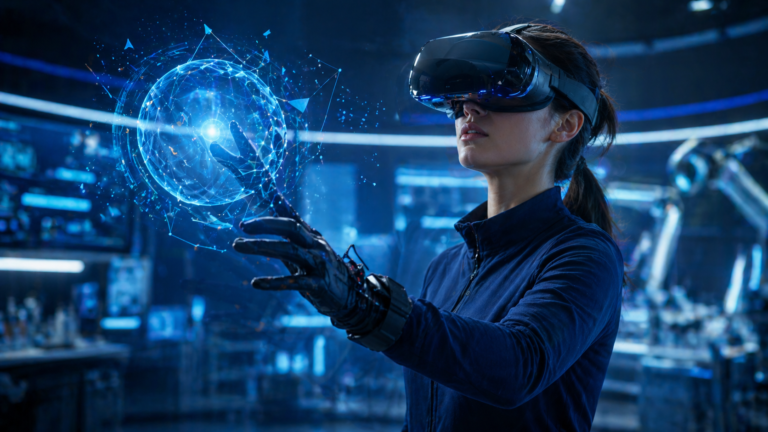
VR can simulate parts of touch through haptic feedback, force cues, vibration, pressure, and thermal research, but it still cannot fully recreate natural human touch.
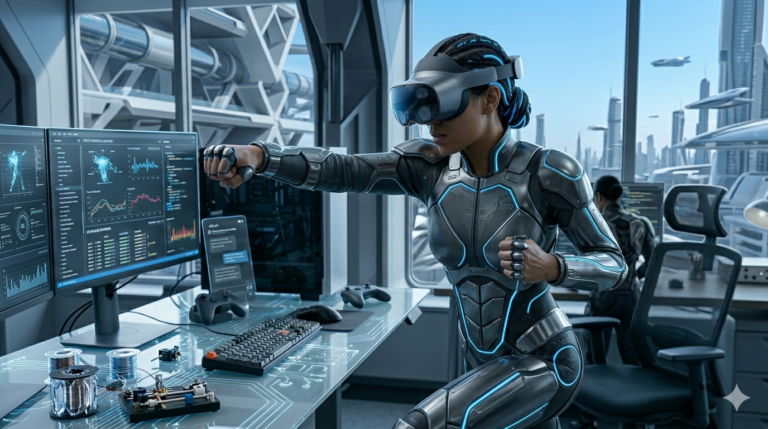
Virtual reality works by combining a headset, sensors, motion tracking, displays, audio, and responsive software to make digital worlds feel present and interactive.
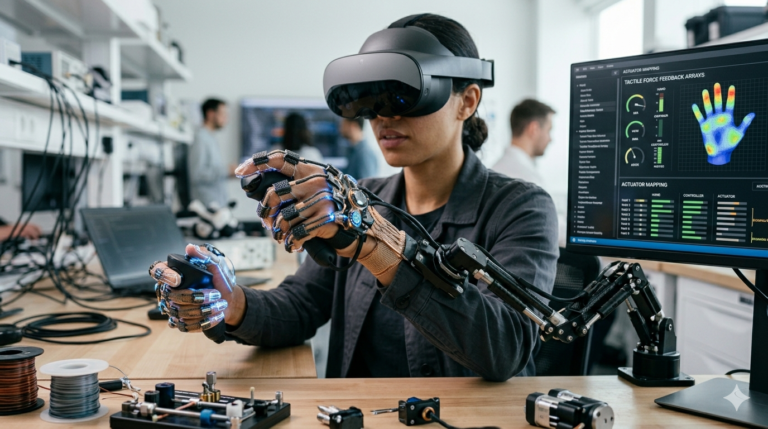
Haptic feedback works in VR by turning digital events into vibration, pressure, resistance, or force cues that make virtual interaction feel physical.
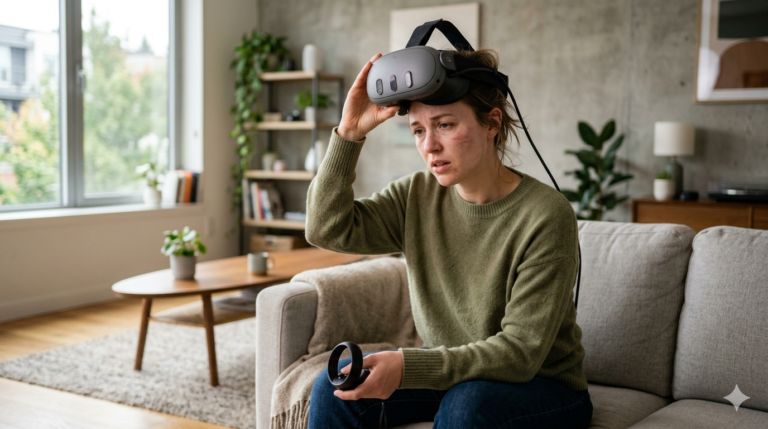
The fastest VR motion sickness fix is to stop early, rest, use comfort settings, and return in short sessions with calmer VR experiences.
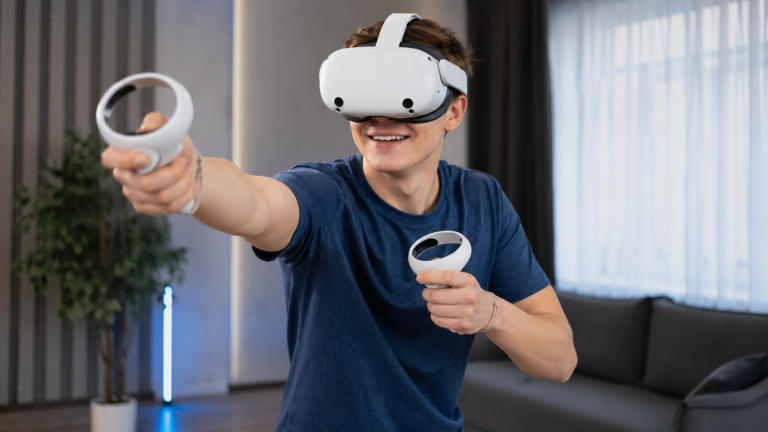
The best VR games for beginners are easy to learn, comfortable to play, and fun enough to make new headset owners want to come back.
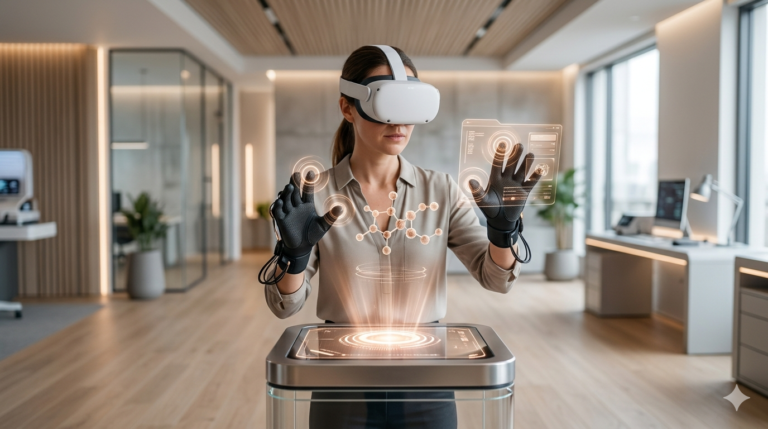
The types of haptic feedback range from simple vibration to advanced force, texture, and wearable systems that make digital interactions feel more physical.
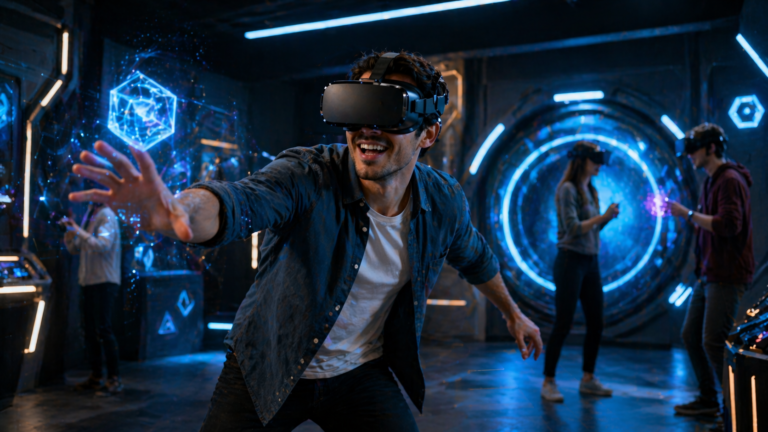
The best VR games in 2026 combine strong immersion, polished interaction, and replay value across action, puzzle, fitness, and social experiences.
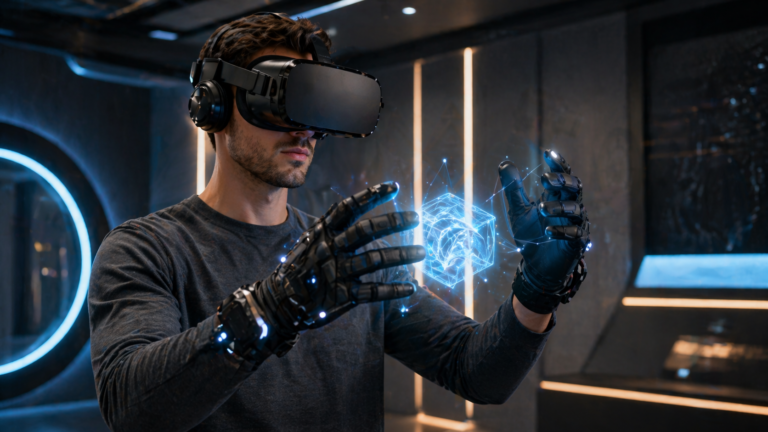
Haptics in virtual reality add touch, vibration, resistance, and tactile feedback to make digital experiences feel more physical, immersive, and useful.