Types of Haptic Feedback Explained Simply
Updated 2026-04-25 by HapVR
The main types of haptic feedback are vibration, force feedback, texture simulation, temperature cues, impact pulses, and full-body haptics. Each one gives users a different kind of tactile information, from a simple buzz in a controller to a more advanced tactile experience that supports immersion in VR, robotics, wearables, and spatial computing.
What are the different types of haptic feedback? The answer starts with understanding that haptics are not one single technology. They are a family of tactile systems that try to recreate touch, resistance, texture, motion cues, or physical confirmation through hardware. In practice, the main types include vibration, force feedback, texture simulation, thermal cues, and wearable systems. That range matters because different products use different haptic methods depending on whether the goal is a simple notification, a realistic tactile experience, or deeper immersion.
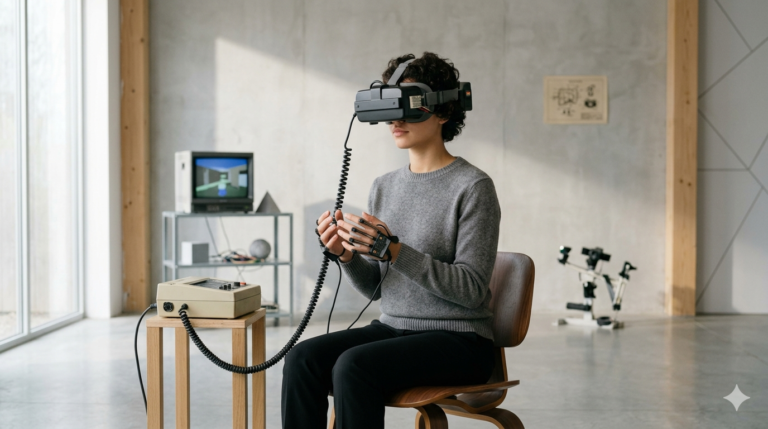
In VR, those differences shape how convincing interactions feel. A small vibration in a controller can confirm a button press, while stronger haptic feedback can suggest recoil, resistance, or contact. As immersive systems improve, the type of haptics used becomes an important part of how digital experiences feel rather than just how they look, which is central to understanding how VR simulates touch.
For broader context, it helps to read what haptics in VR actually are, understand what virtual reality means, and compare the best VR headsets that support different controller and tactile ecosystems.
For authoritative reference points, compare Britannica’s haptics overview, Microsoft’s haptic design guidance, and Apple’s Core Haptics documentation.
What Do the Different Types of Haptic Feedback Mean?
Haptic feedback is any technology that sends information through touch. The simplest forms are familiar to almost everyone, such as a phone vibration when a message arrives. More advanced systems go further by trying to simulate resistance, texture, pressure, motion, or impact.
That is why the phrase types of haptic feedback matters. It separates basic notification haptics from richer tactile systems built for gaming, training, simulation, robotics, medicine, and spatial computing. Some haptic systems are designed mainly for confirmation. Others are designed to create presence and immersion by making digital events feel more physical.
The Main Types of Haptic Feedback
1. Vibration Haptics
Vibration is the most common type of haptic feedback. A small motor creates a buzz or pulse that confirms input, signals a notification, or adds a simple sense of contact during gameplay. It is cost-effective and widely used, but it is also the least nuanced form of haptics.
Why It Works
- Cheap and easy to implement
- Useful for alerts and confirmation
- Common across consumer devices
Limitations
- Feels generic if overused
- Cannot simulate complex tactile detail well
2. Force Feedback
Force feedback goes beyond buzzing by pushing back against the user. It creates resistance, weight, or motion response, which is why it is common in simulators, steering wheels, industrial controls, and some robotic interfaces. This type is useful when the goal is to make movement feel physically constrained or loaded.
Why It Works
- Can feel much more realistic than simple vibration
- Supports training and simulation
- Adds mechanical realism to control systems
Limitations
- More expensive and complex
- Harder to miniaturize for lightweight devices
3. Texture and Surface Simulation
Texture simulation tries to make surfaces feel rough, smooth, ridged, soft, or patterned. This can be done through tiny actuators, ultrasonic effects, or specialized surface technology. It is more experimental in consumer products, but it matters for future immersive design because it makes a tactile experience feel more specific and less abstract.
Why It Works
- Creates richer tactile nuance
- Useful for precision interaction and accessibility
- Supports believable virtual materials
Limitations
- Still emerging in many markets
- Can require specialized hardware
4. Thermal and Temperature Feedback
Temperature-based haptics simulate warmth or coolness. This is not yet common in mainstream VR, but it has strong potential for training, medical simulation, and immersive storytelling because temperature cues can help environments feel more convincing.
Why It Works
- Adds realism beyond motion and touch
- Can improve context in simulation
- Supports deeper immersion
Limitations
- Harder to implement safely and comfortably
- Not widely available in consumer gear
5. Wearable and Full-Body Haptics
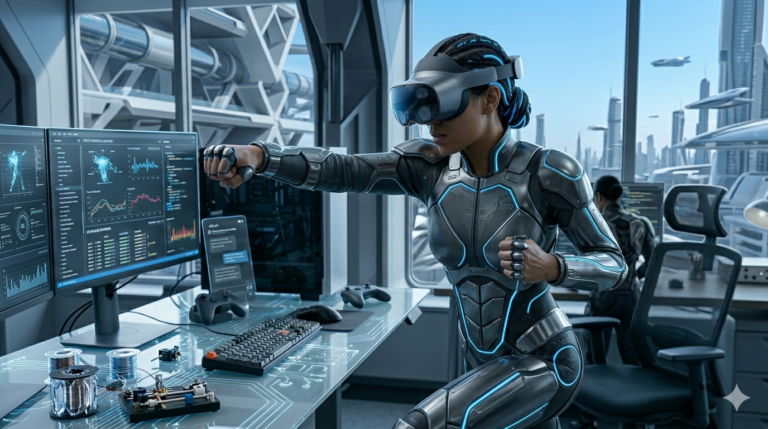
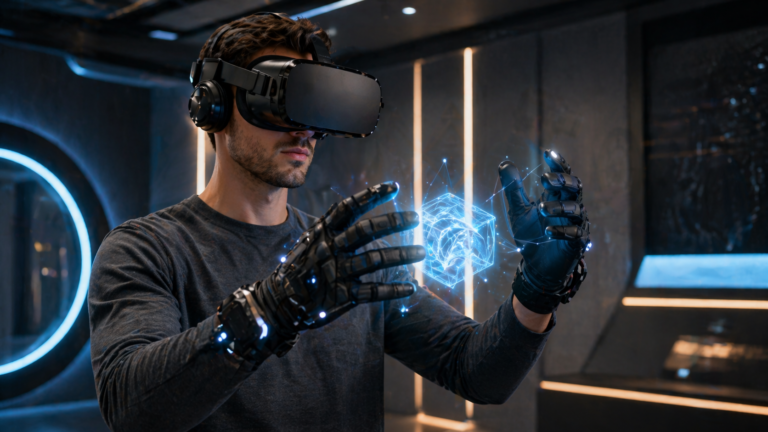
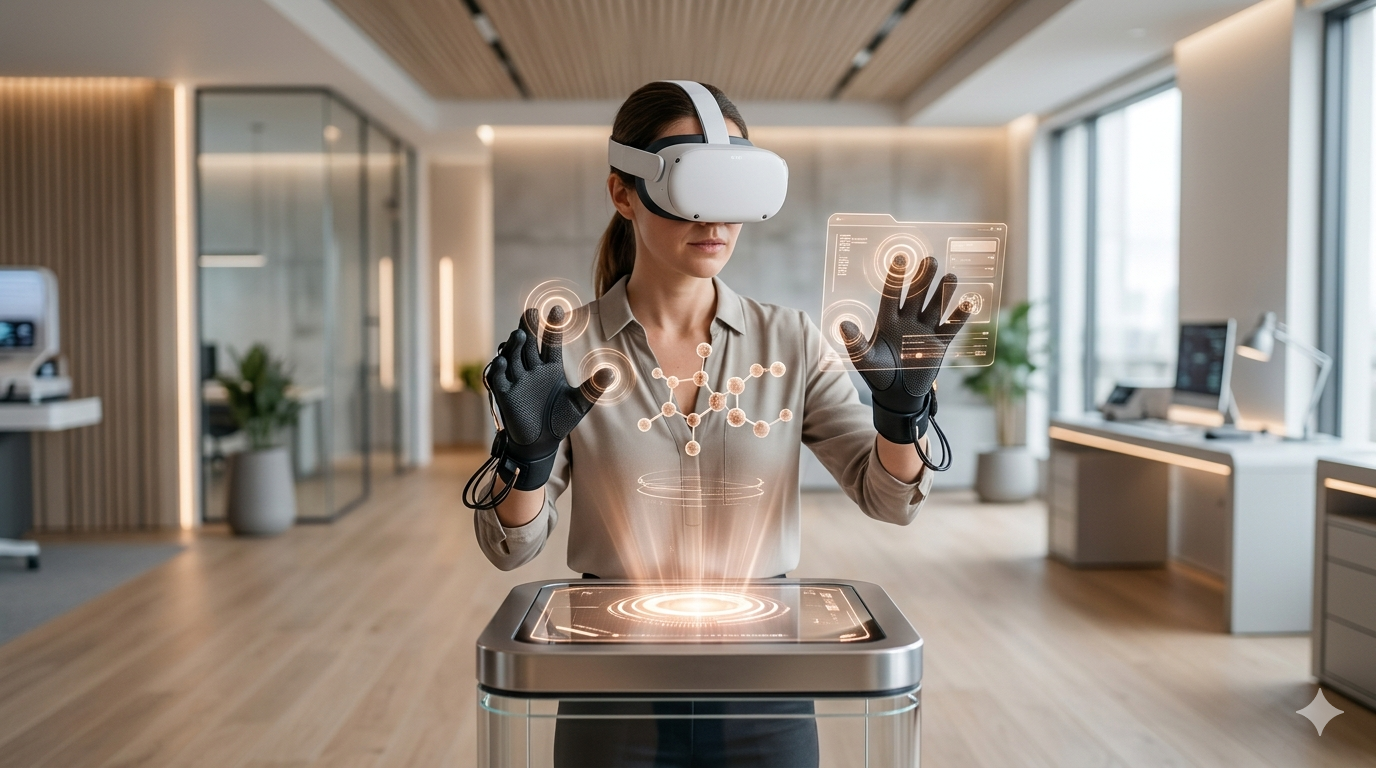
Wearable haptics include gloves, vests, sleeves, and suits that distribute tactile cues across more of the body. These systems are designed to strengthen immersion by making digital events feel like they happen around you, not just in your hands. In VR, this is where haptic feedback starts to move toward true presence rather than simple controller response.
Why It Works
- Improves spatial realism
- Supports stronger immersion in VR
- Can simulate distributed contact and impact
Limitations
- Usually expensive
- Can add bulk and setup complexity
How Are Different Haptic Types Used in VR?
In virtual reality, the type of haptic system often determines how believable interactions feel. Basic controller vibration is enough for menu clicks, weapon recoil, or item pickup confirmation. Force feedback and glove-based systems aim for something more ambitious: they try to make digital objects feel heavier, more textured, or more resistant.
The tactile experience matters because immersion is not only visual. If a virtual object looks solid but feels empty, the brain notices the mismatch. Better haptic feedback reduces that gap by giving the hands and body useful physical cues that match what the eyes see. That is one reason haptics are increasingly important in training, simulation, gaming, and XR design.
As headset ecosystems improve, the value of haptics also depends on device compatibility, controller design, and software support. A polished VR system combines visuals, tracking, and tactile feedback so the whole experience feels coherent rather than stitched together.
Haptic Feedback Type Comparison
| Type | Main Sensation | Best Use | Typical Complexity |
|---|---|---|---|
| Vibration Most Common | Buzz, pulse, confirmation | Phones, controllers, alerts | Low |
| Force Feedback | Resistance and pushback | Simulators, training, robotics | High |
| Texture Simulation | Surface feel and tactile detail | Research, advanced UI, MR | High |
| Thermal Feedback | Warmth or coolness | Simulation, context cues | High |
| Wearable Haptics | Distributed body sensation | VR immersion, enterprise, training | Very High |
How to Think About the Right Haptic System
The right haptic system depends on the job. If the goal is quick confirmation, vibration may be enough. If the goal is skill training or realistic interaction, force feedback or wearable haptics may be more appropriate. If the goal is future-facing spatial computing, texture and environmental cues may matter more.
That is why haptics should not be judged only by intensity. The best system is the one that fits the experience. Good haptic design supports immersion without becoming distracting, repetitive, or physically uncomfortable.
Best Way to Understand Haptic Types
- Start by separating simple vibration from true force or texture simulation.
- Judge haptics by what they add to the tactile experience, not just by how strong they feel.
- In VR, stronger immersion usually comes from matching visual events with believable tactile cues.
- Advanced wearable haptics matter most when the experience needs body-level presence.
- The future of XR will likely combine multiple haptic types instead of relying on one method alone.
Why Haptic Types Matter More in the Future
As VR, mixed reality, and spatial computing mature, the conversation will shift from whether a device has haptics to what kind of haptics it has. That difference matters for gaming, industrial training, remote robotics, healthcare simulation, education, and communication.
In other words, the future of immersive technology depends not just on seeing digital content clearly but on feeling it more convincingly. Understanding the types of haptic feedback is a good foundation because it explains why one tactile system feels like a simple buzz while another feels like a meaningful part of immersion.
Frequently Asked Questions
What are the main types of haptic feedback?
The main types are vibration, force feedback, texture simulation, temperature cues, and wearable or full-body haptics.
Which type of haptic feedback is most common?
Vibration haptics are the most common because they are affordable, compact, and easy to use in phones, controllers, and wearables.
Is force feedback the same as haptic feedback?
No. Force feedback is one type of haptic feedback. Haptics as a broader category also includes vibration, texture, temperature, and other tactile cues.
Do advanced haptic systems cost more?
Yes. Systems that simulate force, texture, or full-body sensation usually cost more because they need more complex hardware and software.
Why do haptics matter in VR?
They matter because haptic feedback can make virtual interactions feel more physical, which improves immersion and makes digital actions feel more believable.
Are haptic gloves and vests different from controller vibration?
Yes. Wearable haptics are a more advanced category because they can distribute tactile cues across the hands or body instead of only delivering a small vibration pulse.
Are haptics safe for beginners?
In most consumer products, yes. Mainstream haptics are generally designed to be safe and comfortable, though stronger simulation systems should still be used according to manufacturer guidance.
What is the future of haptic feedback likely to look like?
The future will likely combine multiple haptic types, including better force cues, richer texture simulation, and wearable systems that strengthen immersion in VR and XR.