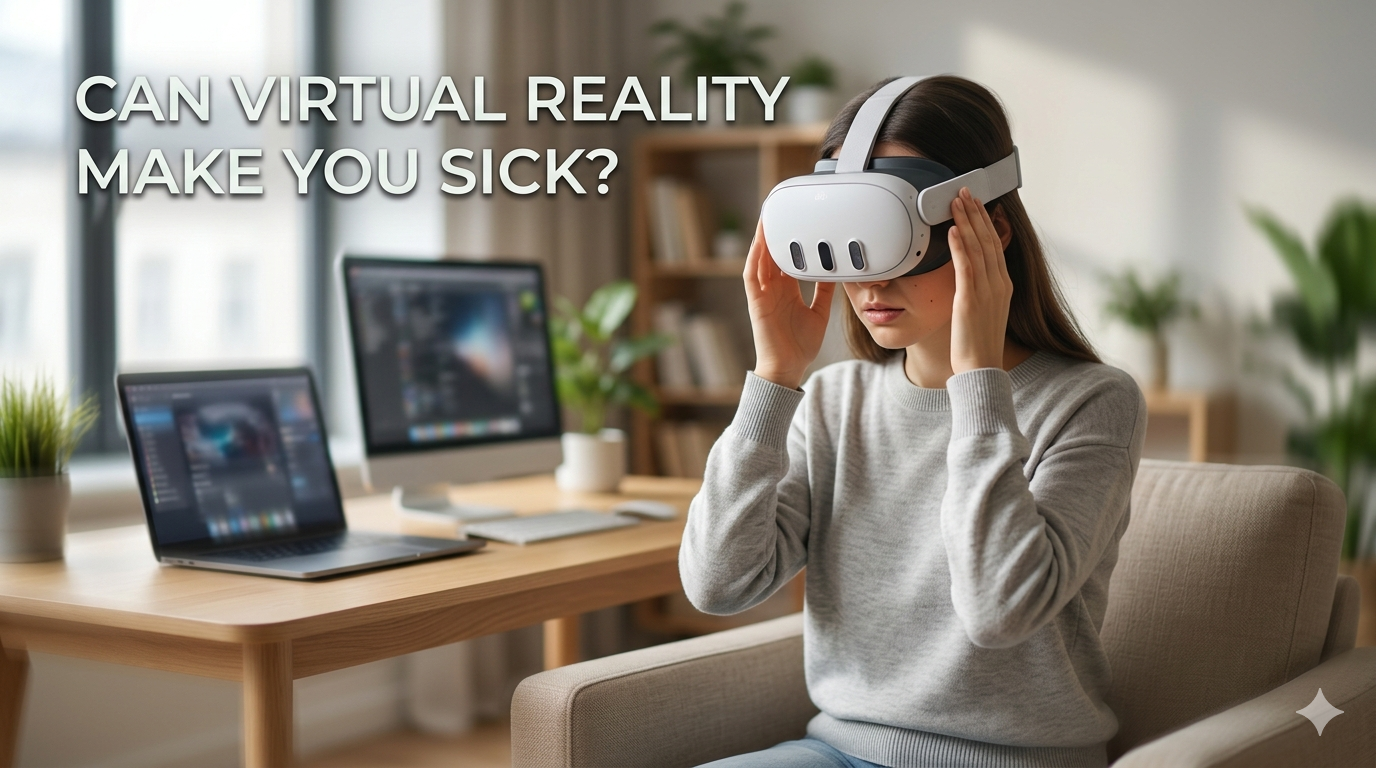
Can Virtual Reality Make You Sick
Updated 2026-04-23 by HapVR
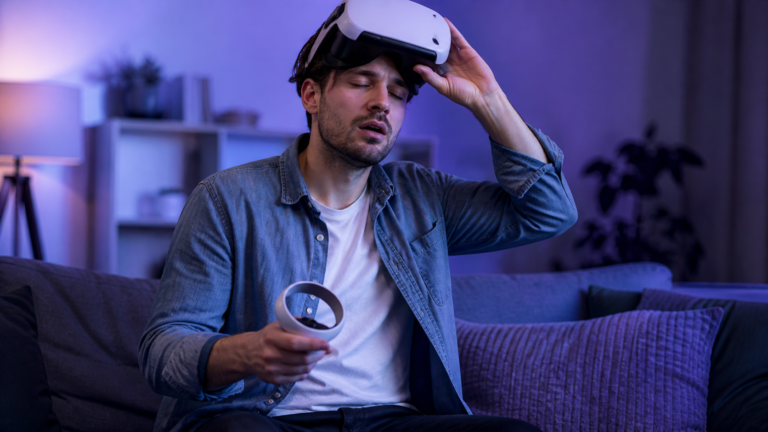
Yes, virtual reality can make some people feel sick. The usual cause is a mismatch between what your eyes see and what your inner ear feels. The good news is that most VR sickness gets better with the right headset settings, shorter sessions, and gradual adaptation.
Can virtual reality make you sick? Yes, for some people it can, especially during early sessions when the brain is still adjusting to artificial motion, display lag, and headset fit.
Virtual reality sickness is real, but it is not a sign that something is seriously wrong with you. Many new users feel dizziness, eye strain, nausea, or a floating sensation when they first spend time in VR. If symptoms show up often, the fastest practical next step is a dedicated VR motion sickness fix plan.
Most of the time, the problem comes from sensory conflict. Your brain sees motion inside the headset while your body remains physically still. Once you understand the triggers, you can reduce the discomfort and enjoy VR much more comfortably.
If you are new to headsets, it helps to understand what virtual reality means and compare the best VR headsets, because fit, optics, and performance can affect comfort.
For evidence-based guidance, compare Mayo Clinic on motion sickness, the NIH-hosted review on cybersickness, and Meta’s Quest health and safety warnings.
Why Can VR Make You Feel Sick?
VR sickness usually happens when your visual system and balance system disagree. If the headset shows fast movement, artificial turning, or lag, your brain may interpret the mismatch as something being wrong and respond with nausea or dizziness.
The effect is similar to motion sickness in a car or on a boat, but VR adds more variables. Frame rate, lens clarity, headset fit, game design, and your own sensitivity all influence how comfortable a session feels.
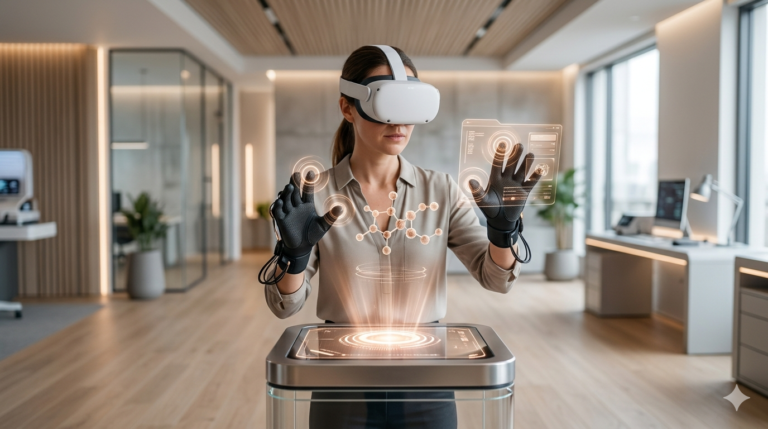
Haptic feedback can also shape the overall tactile experience of VR. While haptics do not usually cause sickness by themselves, good tactile cues can support immersion by making interactions feel more believable instead of visually disconnected.
What Usually Triggers VR Sickness
1. Sensory Mismatch Between Eyes and Body
If your headset shows motion but your body does not feel the same movement, your brain can react with nausea, dizziness, or disorientation.
Key Takeaways
- Easy to identify once you know the feeling
- Usually improves with experience
- Can be reduced with comfort settings
Why It Matters
- Can happen quickly in the wrong game
- Feels worse if you keep playing through symptoms
2. Low Frame Rate, Stutter, or Tracking Problems
Poor performance can make movement feel unstable and unnatural. That makes sensory conflict worse and can cause symptoms even in users who normally tolerate VR well.
Key Takeaways
- Often fixable through settings or better hardware
- Easy to test by comparing smoother apps
Why It Matters
- Can ruin otherwise good experiences
- More likely on weak hardware or poorly optimized content
3. Session Length and Personal Sensitivity
Some users adapt to VR quickly, while others need more time. Long sessions, fatigue, dehydration, or jumping into intense experiences too early can all make symptoms worse.
Key Takeaways
- Usually manageable with habits
- Improves with gradual exposure
Why It Matters
- Different for every user
- Easy to underestimate at first
Symptoms, Causes, and What to Do
| Symptom | Likely Cause | What It Feels Like | Best Immediate Fix |
|---|---|---|---|
| Nausea Most Common | Sensory conflict | Stomach discomfort and urge to stop | Remove the headset and rest |
| Dizziness | Fast turning or unstable visuals | Floating or spinning sensation | Sit down and recover before retrying |
| Eye strain | Poor fit or long sessions | Tired eyes and pressure around the face | Adjust fit and shorten play time |
| Headache | Tension, fit, or display discomfort | Pressure or fatigue after play | Hydrate, rest, and check headset fit |
How to Reduce VR Sickness
- Start with short sessions of 10 to 15 minutes and stop early if symptoms begin.
- Use apps with comfort settings like snap turning, teleport movement, and reduced camera sway.
- Make sure the headset fits correctly so the image looks clear and stable.
- Choose smooth, well-optimized experiences before trying fast action games or artificial locomotion.
- Take breaks, stay hydrated, and return only when you feel fully normal again.
Why Symptoms Vary and How Prevention Works
Not every user reacts to VR in the same way. Some people feel uncomfortable in fast-moving games within minutes, while others can spend much longer in a headset before noticing any issues. That difference often comes down to personal sensitivity, the type of movement used in the app, and how stable the headset image feels during play.
Prevention works best when you combine hardware choices with session habits. A clearer display, steadier frame rate, and better lens alignment reduce sensory conflict, while shorter sessions and regular breaks keep discomfort from building up. That is one reason it helps to compare the best VR headsets before assuming every headset feels the same.
It also helps to start with calmer experiences before jumping into intense locomotion or fast turning. Games and apps that offer teleport movement, snap turning, and comfort settings usually make adaptation easier, and they give your body more time to build tolerance without turning immersion into discomfort.
Frequently Asked Questions
Can VR make you feel sick even if you have never had motion sickness before?
Yes. Some people who are fine in cars or boats still feel uncomfortable in VR because the trigger is visual motion rather than physical travel.
Does VR sickness go away over time?
For many users, yes. Tolerance often improves with shorter sessions, better settings, and gradual exposure to more intense experiences.
What is the fastest way to stop feeling sick in VR?
Take the headset off immediately, sit down, rest your eyes, and wait until the symptoms fully pass before trying again.
Which types of VR experiences are easiest for beginners?
Stationary or teleport-based experiences are usually the most comfortable starting point because they reduce artificial motion.
Should you keep playing to build resistance?
No. Pushing through symptoms usually makes the experience worse. Stop early and build tolerance gradually instead.
What should readers know first about can virtual reality make you sick?
The most important starting point is to understand how can virtual reality make you sick works in practice, what problem it solves, and where it fits within the broader immersive technology landscape.
How does can virtual reality make you sick connect to the wider XR ecosystem?
It connects through hardware, software, interaction design, and the broader move toward more immersive digital experiences across entertainment, education, and productivity.